If you’ve ever wanted a colorful, flavor-packed meal in one bowl, Bibimbap is exactly what you need. This popular Korean rice dish combines warm rice, seasoned vegetables, protein, and a bold chili sauce—all topped with a perfectly cooked egg. The best part? Every bite is different once you mix it all together. When made right, Bibimbap is balanced, comforting, and exciting at the same time. I’ve made this dish for quick weeknight dinners and casual dinner parties, and it always feels special without being complicated. In this guide, you’ll learn how to prepare each component, build your bowl step by step, customize flavors, and avoid common mistakes so your Bibimbap turns out delicious every time.
Why You’ll Love This Recipe
-
Bold, savory, slightly spicy flavor
-
Beautiful and colorful presentation
-
Customizable with different proteins and vegetables
-
Great way to use leftover veggies
-
Balanced meal with rice, protein, and greens
Ingredients & Prep
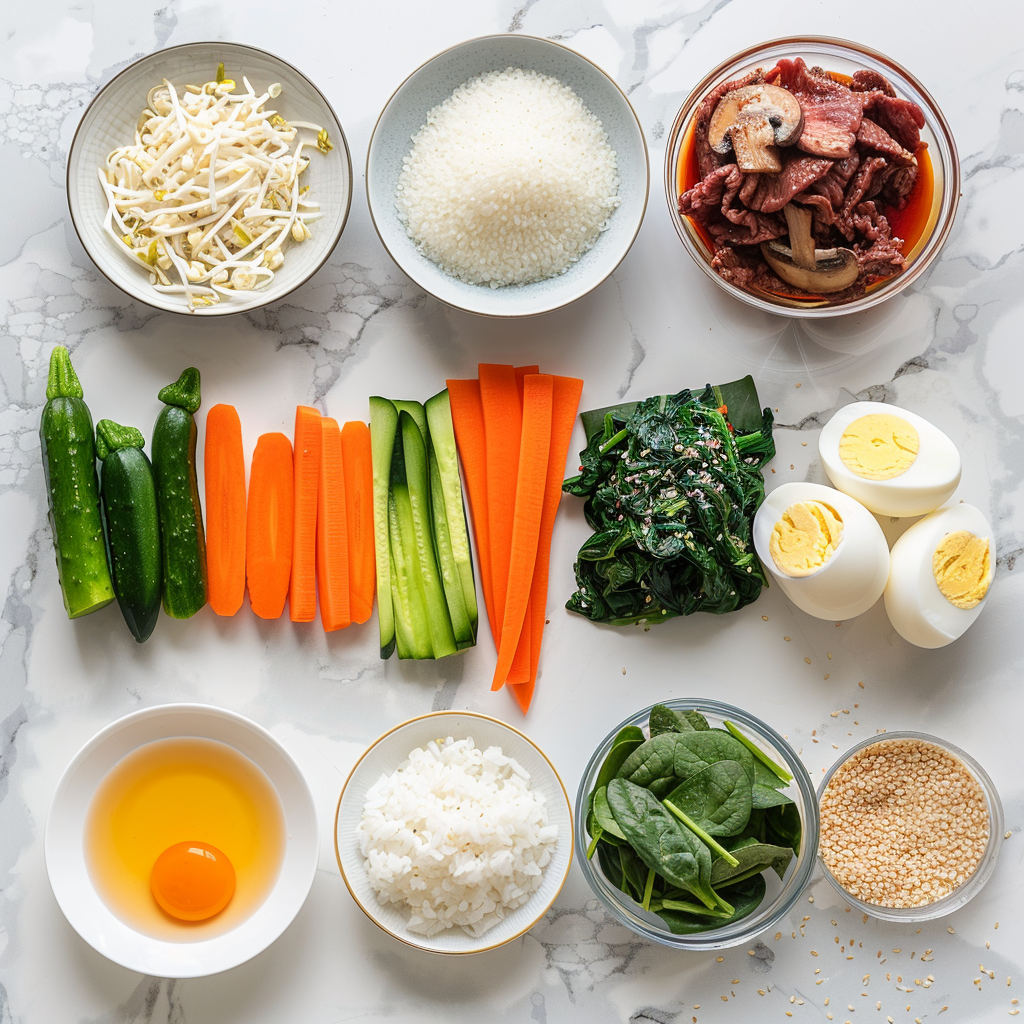
Bibimbap is all about prepping ingredients separately, then assembling everything beautifully.
Main Ingredients Prep
Cooked White Rice (3 cups)
Short-grain white rice works best for authentic texture, but jasmine or brown rice can also be used. Keep rice warm before serving.
Beef (½ pound, thinly sliced) or alternative protein
Marinate beef in 1 tablespoon soy sauce, 1 teaspoon sesame oil, 1 teaspoon sugar, and 1 minced garlic clove for 15–20 minutes before cooking.
Eggs (4 large)
Cook sunny-side up or fry gently so the yolk stays runny.
Vegetables Prep
Choose 4–6 vegetables for variety and color:
-
Julienne carrots
-
Sautéed spinach
-
Sliced cucumbers
-
Bean sprouts (lightly blanched)
-
Sautéed mushrooms
-
Shredded zucchini
Cook each vegetable separately with a pinch of salt and a small drizzle of sesame oil.
Seasonings, Sauces, or Flavor Base
Gochujang Sauce:
-
3 tablespoons gochujang (Korean chili paste)
-
1 tablespoon sesame oil
-
1 teaspoon sugar
-
1 teaspoon rice vinegar
-
1 teaspoon soy sauce
Mix until smooth. This sauce gives Bibimbap its signature spicy-sweet flavor.
Pantry Staples
-
Sesame oil
-
Soy sauce
-
Garlic
-
Sugar
-
Rice vinegar
-
Sesame seeds (for garnish)
These pantry ingredients bring depth and authentic flavor.
Step-by-Step Cooking Instructions
Pre-Cooking Prep
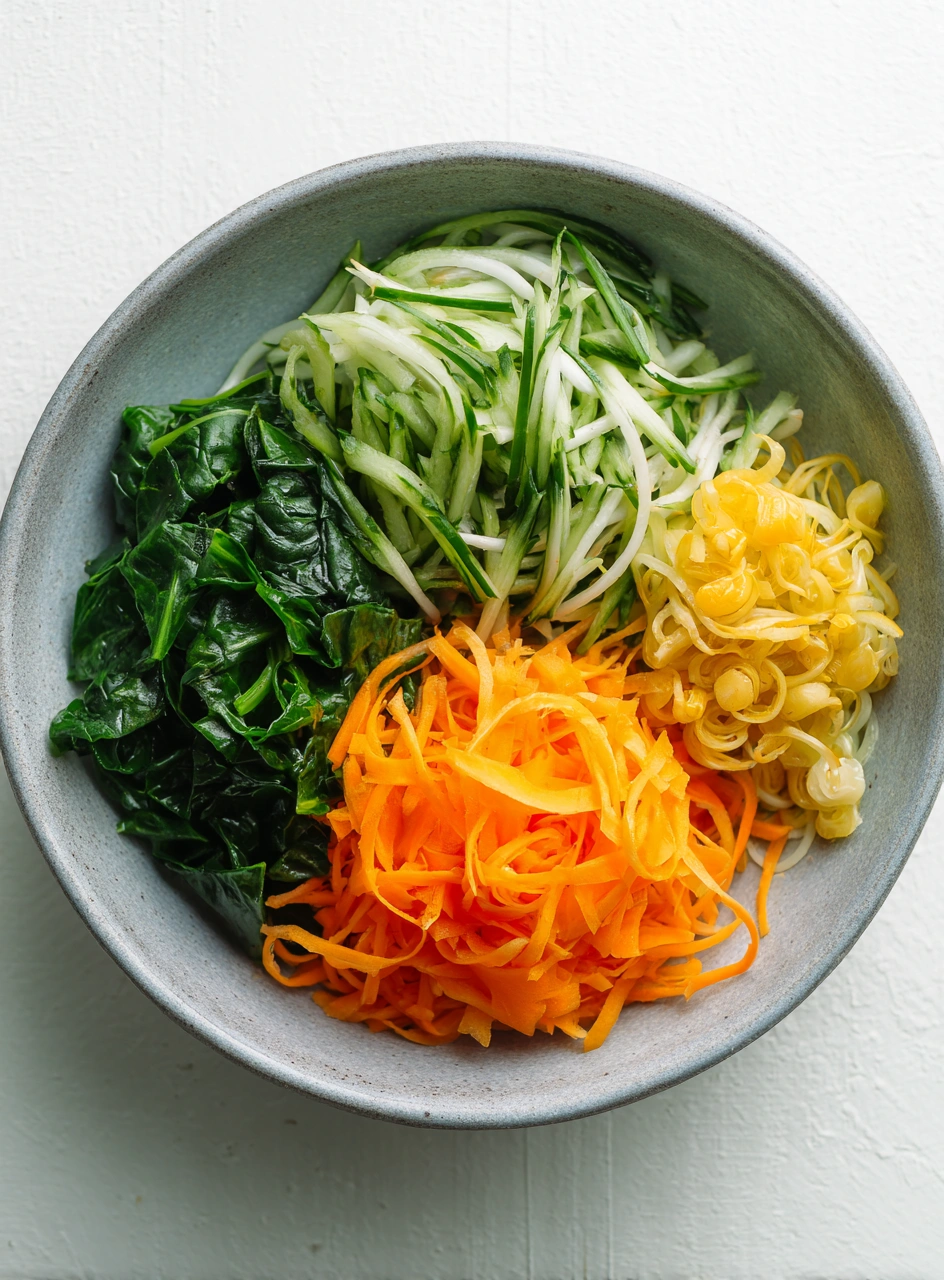
Prepare all vegetables first. Wash, slice, and cook them individually in a skillet over medium heat with a small amount of oil and salt. Set aside in separate bowls. Cook marinated beef in a hot skillet for 3–4 minutes until fully cooked and slightly caramelized.
Cooking the Eggs
In a nonstick skillet, cook eggs sunny-side up over medium-low heat. The whites should be set, but the yolk should remain runny for best texture.
Assembly
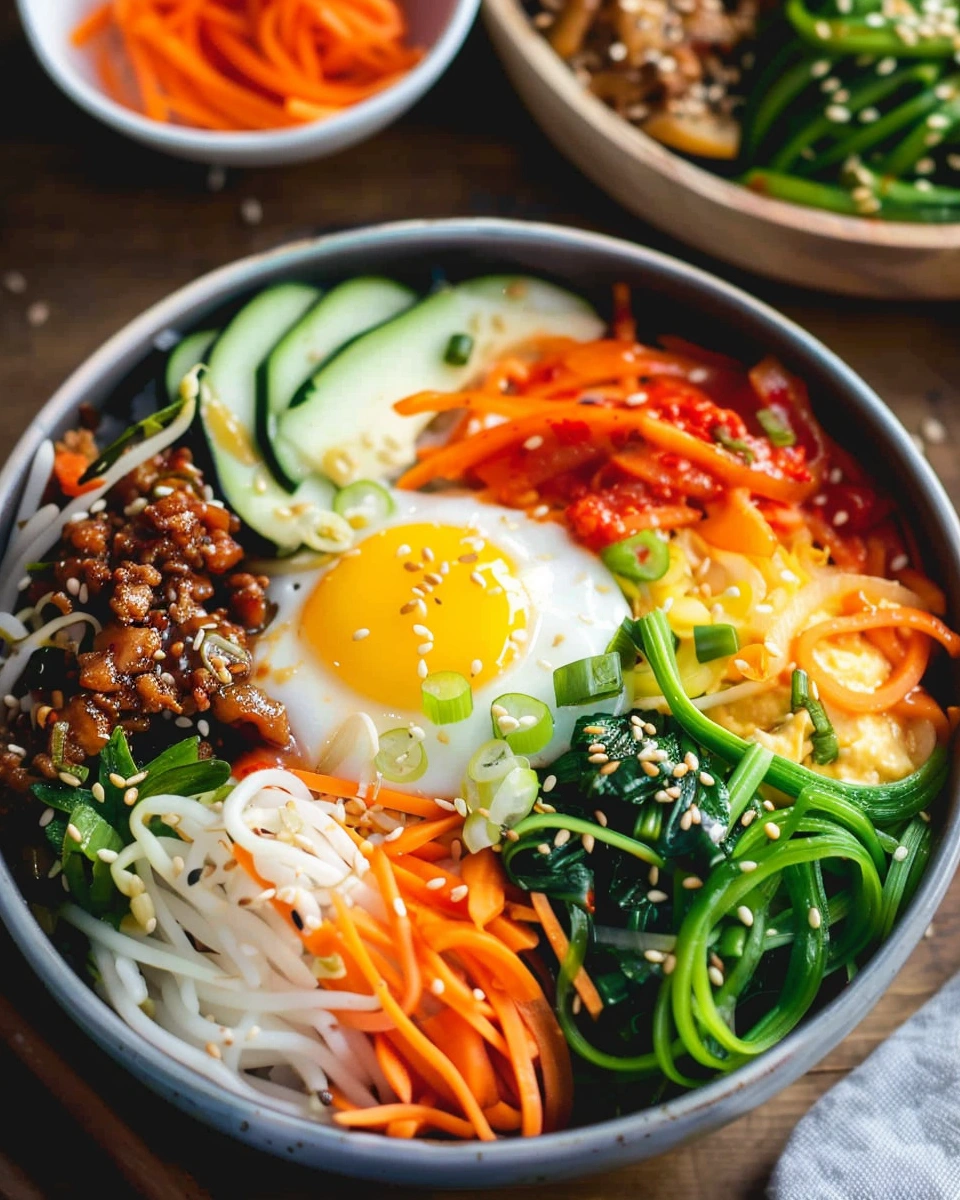
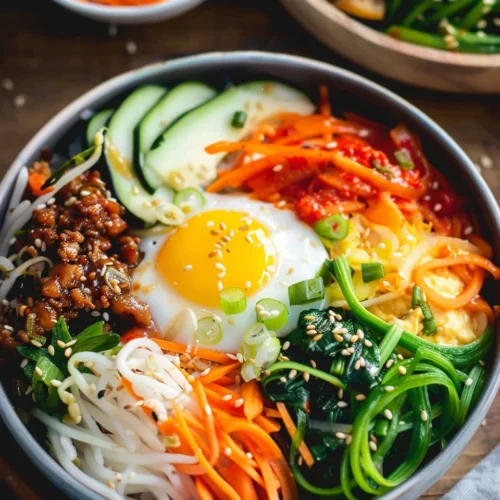
Divide warm rice among serving bowls. Arrange vegetables in sections over the rice. Add cooked beef in one section. Place a fried egg in the center. Drizzle with gochujang sauce and sprinkle sesame seeds on top.
Final Mixing
Just before eating, mix everything together thoroughly so the sauce coats all ingredients. This is the classic way to enjoy Bibimbap.
Doneness or Texture Check
Vegetables should be tender but not mushy. Beef should be fully cooked but still juicy. The egg yolk should be runny to create a rich sauce when mixed.
Pro Tips for Perfect Results
Common Mistakes to Avoid
Overcooking vegetables can make them watery. Avoid overcrowding the pan. Using too much sauce can overpower the dish—start small and add more as needed. Cold rice won’t mix well, so always use warm rice.
Recommended Tools
Use a large skillet for cooking components, a nonstick pan for eggs, and sharp knives for clean vegetable cuts. Separate bowls help keep ingredients organized.
Storage & Reheating Tips
Store leftover components separately in airtight containers in the refrigerator for up to 3 days. Reheat rice and protein before assembling. Vegetables can be warmed lightly or served at room temperature. Avoid reheating cooked eggs; prepare fresh eggs for best results.
Flavor Variations
Bibimbap is highly customizable.
Spicy Version
Add extra gochujang or a drizzle of chili oil. You can also include kimchi for extra heat and tang.
Healthy / Special Diet Option
Use brown rice or cauliflower rice for a lighter base. Substitute tofu or tempeh for beef to make a vegetarian version. For gluten-free, use tamari instead of soy sauce.
Global Flavor Twist
Try a chicken Bibimbap with grilled marinated chicken instead of beef. For seafood lovers, add sautéed shrimp. You can even create a fusion bowl using quinoa instead of rice.
Serving Suggestions
Bibimbap is a complete meal on its own but pairs nicely with a simple cucumber salad or light miso soup. Serve with iced green tea or sparkling water for a refreshing balance.
FAQs
Can I make this ahead of time?
Yes. Prepare vegetables, rice, sauce, and protein ahead of time. Store separately and assemble just before serving for the best texture.
How do I fix common mistakes?
If the dish tastes bland, add a little more gochujang or sesame oil. If it’s too spicy, mix in extra rice to balance heat. If vegetables release too much water, cook them briefly on higher heat to remove excess moisture.
Conclusion
Bibimbap is a vibrant, satisfying meal that brings bold Korean flavors into your kitchen with simple ingredients and easy steps. With warm rice, seasoned vegetables, savory protein, and a rich egg yolk mixed together, every bite is comforting and exciting. Once you master this Bibimbap recipe, you’ll have a flexible, colorful meal that works for busy weeknights or special dinners. Save it, customize it, and enjoy your homemade bowl of flavor-packed goodness.
Bibimbap
Ingredients
- Base:
- 3 cups cooked short-grain white rice warm
- Protein:
- ½ pound beef thinly sliced
- 1 tablespoon soy sauce
- 1 teaspoon sesame oil
- 1 teaspoon sugar
- 1 garlic clove minced
- Eggs:
- 4 large eggs
- Vegetables choose 4–6, about 3–4 cups total:
- 1 cup julienned carrots
- 1 cup sautéed spinach
- 1 cup bean sprouts lightly blanched
- 1 cup sliced mushrooms sautéed
- 1 cup shredded zucchini
- 1 cup sliced cucumbers
- Gochujang Sauce:
- 3 tablespoons gochujang
- 1 tablespoon sesame oil
- 1 teaspoon sugar
- 1 teaspoon rice vinegar
- 1 teaspoon soy sauce
- Garnish:
- Sesame seeds
- Extra sesame oil optional drizzle
Instructions
- Prepare Rice:
- Cook rice according to package directions. Keep warm until ready to assemble.
- Marinate Beef:
- In a bowl, combine sliced beef, soy sauce, sesame oil, sugar, and minced garlic. Marinate for 15–20 minutes.
- Cook Vegetables:
- Cook each vegetable separately in a skillet over medium heat with a small drizzle of oil and a pinch of salt.
- Sauté until just tender but not mushy. Set aside in separate bowls.
- Cook Beef:
- Heat a skillet over medium-high heat. Cook marinated beef for 3–4 minutes until fully cooked and slightly caramelized. Set aside.
- Prepare Sauce:
- In a small bowl, mix gochujang, sesame oil, sugar, rice vinegar, and soy sauce until smooth.
- Cook Eggs:
- Fry eggs sunny-side up in a nonstick skillet over medium-low heat. Whites should be set, yolks runny.
- Assemble Bowls:
- Divide warm rice into serving bowls. Arrange vegetables in sections over the rice. Add cooked beef.
- Place a fried egg in the center. Drizzle with gochujang sauce and sprinkle sesame seeds on top.
- Serve:
- Mix thoroughly before eating so sauce coats all ingredients evenly.
Notes
- Keep rice warm for best texture and mixing.
- Avoid overcrowding the pan when cooking vegetables to prevent excess moisture.
- Start with a small amount of sauce and adjust to taste.
- Runny egg yolk creates a rich, natural sauce when mixed.
- Store components separately for meal prep convenience.