
Ever open your fridge and see a few eggs, some leftover veggies, maybe a little cheese—and wonder what to make? That’s exactly when learning how to make a frittata comes in handy. A frittata is one of the easiest, most flexible meals you can cook. It’s fluffy like an omelet, hearty like a casserole, and perfect for breakfast, brunch, or even a quick dinner. I’ve made frittatas for busy weekday mornings, meal prep Sundays, and casual weekend brunches, and they never disappoint. Once you know how to make a frittata the right way, you can mix and match ingredients with confidence. In this guide, you’ll learn step-by-step instructions, pro tips for perfect texture, easy flavor variations, and answers to common questions.
Why You’ll Love This Recipe
-
Big flavor with simple ingredients
-
Ready in about 30 minutes
-
Perfect for using leftover vegetables or meats
-
Great for meal prep and reheats beautifully
-
Naturally low-carb and high-protein
Ingredients & Prep
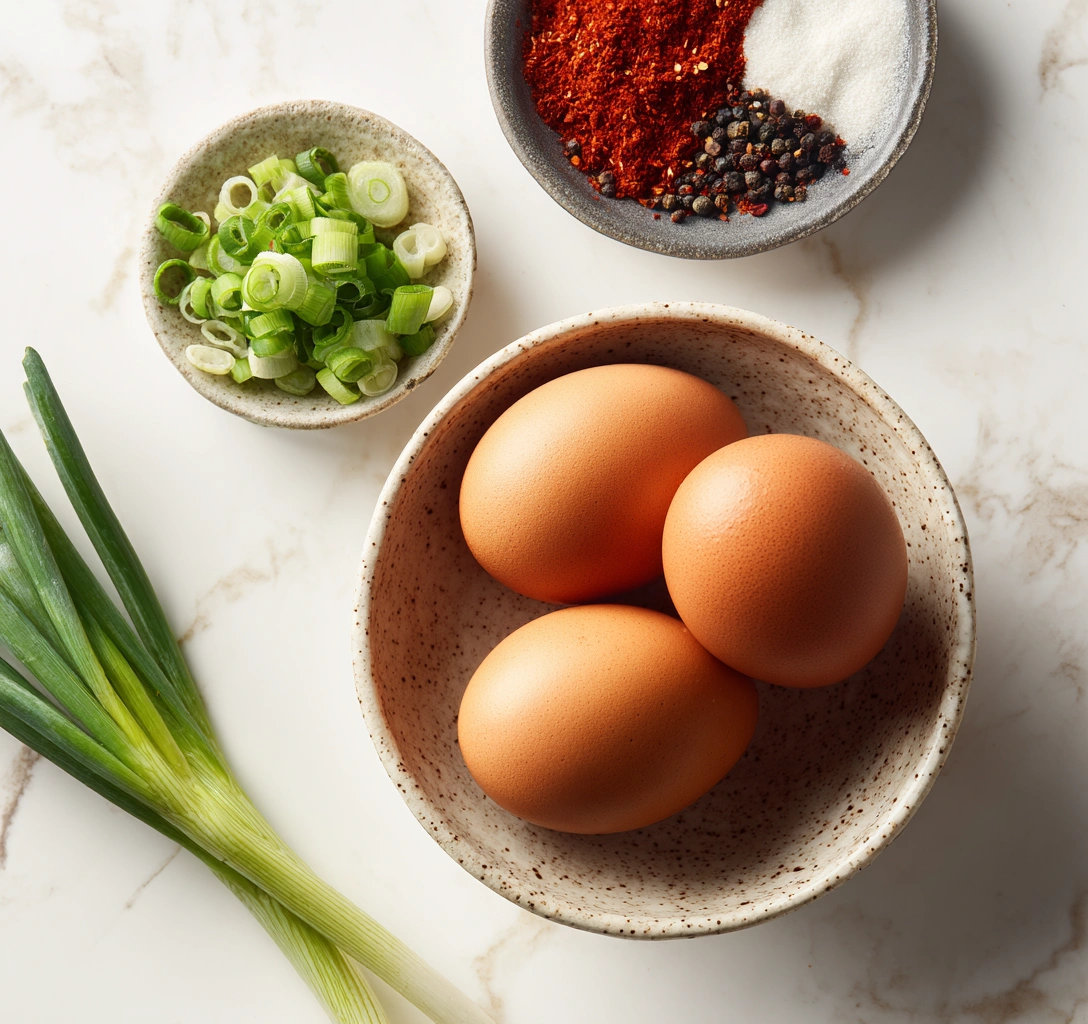
When learning how to make a frittata, think of it as a formula: eggs + dairy + fillings + seasoning.
Main Ingredients Prep
Eggs (8 large)
Eggs are the base of every frittata. Crack them into a large bowl and whisk until fully blended.
Milk or Cream (½ cup)
Adding dairy makes the frittata softer and creamier. Whole milk works great, but heavy cream makes it extra rich.
Vegetables (1–2 cups total)
Popular options include diced bell peppers, onions, spinach, mushrooms, zucchini, or cherry tomatoes. Chop vegetables into small, even pieces so they cook evenly.
Cooked Meat (optional, ½–1 cup)
Cooked sausage, or shredded chicken all work well. Always cook meat fully before adding to the eggs.
Seasonings, Sauces, or Flavor Base
-
1 teaspoon salt
-
½ teaspoon black pepper
-
½ teaspoon garlic powder (optional)
-
1 cup shredded cheese (cheddar, mozzarella, feta, or goat cheese)
Seasonings bring everything together. Cheese adds flavor and helps create a golden top.
Pantry Staples
-
1 tablespoon olive oil or butter (for the pan)
-
Fresh herbs like parsley or chives for garnish
These simple staples help your frittata cook evenly and taste fresh.
Step-by-Step Cooking Instructions
Pre-Cooking Prep
Preheat your oven to 375°F. Use a 10- or 12-inch oven-safe skillet (cast iron works best). Heat olive oil or butter over medium heat. Add chopped vegetables and cook for 5–7 minutes until softened. If using leafy greens like spinach, add them last and cook just until wilted.
Cooking Method (Stovetop + Oven)
Once vegetables are tender, spread them evenly in the pan. Reduce heat to low. Pour the whisked egg mixture evenly over the vegetables. Gently stir once or twice to distribute ingredients, then stop stirring. Let cook undisturbed on the stovetop for 3–4 minutes, until the edges begin to set. Sprinkle cheese evenly over the top. Transfer the skillet to the oven and bake for 12–15 minutes. The center should be just set but not dry.
Doneness or Texture Check
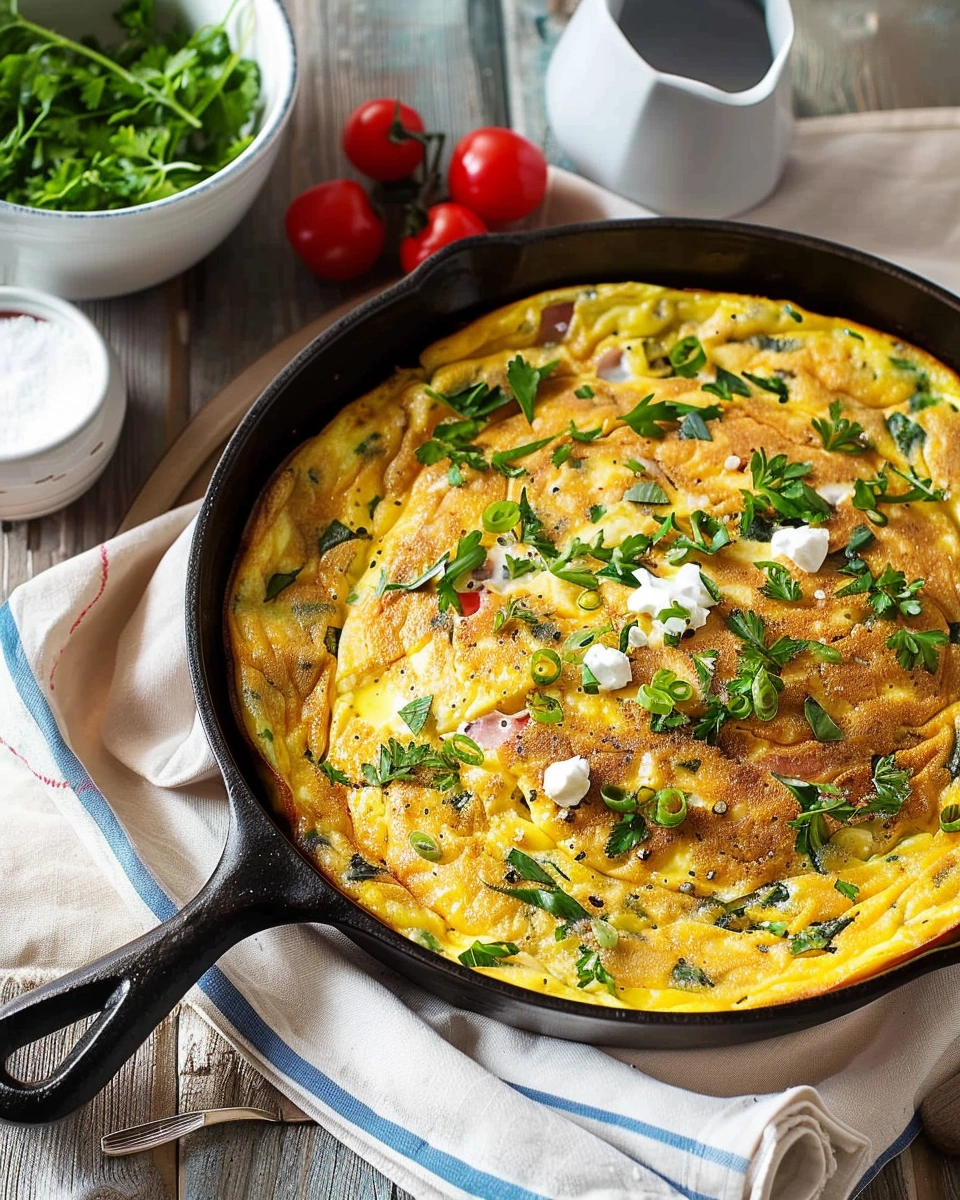
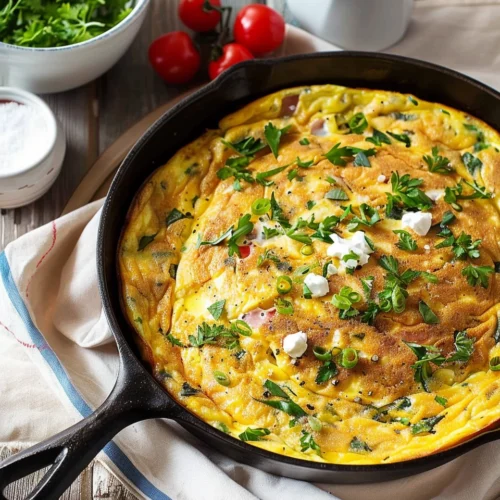
A perfectly cooked frittata should be slightly puffed and golden on top. Insert a knife into the center—it should come out clean. The center should feel firm but still soft, not rubbery. Avoid overbaking, as this can make it dry.
Resting or Final Touches
Let the frittata rest for 5–10 minutes before slicing. This helps it firm up and makes slicing easier. Garnish with fresh herbs for color and flavor. Slice into wedges and serve warm or at room temperature.
Pro Tips for Perfect Results
Common Mistakes to Avoid
Overloading with too many fillings can make the frittata dense and soggy. Stick to about 2 cups total mix-ins. Not cooking vegetables first can cause extra moisture and a watery texture. Overbaking leads to dry, rubbery eggs, so keep an eye on the oven during the last few minutes.
Recommended Tools
An oven-safe skillet is key. Cast iron distributes heat evenly and creates a beautiful golden crust. You’ll also need a whisk, mixing bowl, and spatula. If you don’t have an oven-safe pan, you can transfer everything into a greased baking dish before baking.
Storage & Reheating Tips
Store leftover frittata in an airtight container in the refrigerator for up to 4 days. Reheat slices in the microwave for 30–45 seconds or warm in a 300°F oven for 8–10 minutes. Frittata can also be eaten cold, making it perfect for packed lunches. You can freeze individual slices wrapped tightly for up to 2 months.
Flavor Variations
Once you know how to make a frittata, the flavor combinations are endless.
Spicy Version
Add diced jalapeños, red pepper flakes, or pepper jack cheese. A drizzle of hot sauce on top adds extra kick.
Healthy / Special Diet Option
For a dairy-free frittata, skip the cheese and use unsweetened almond milk. Load up on vegetables for extra fiber and nutrients. For keto, keep the cheese and add low-carb vegetables like spinach and mushrooms.
Global Flavor Twist
Try a Mediterranean-style frittata with spinach, feta, tomatoes, and olives. For an Italian twist, add basil, mozzarella, and sun-dried tomatoes. A Mexican-inspired version can include cheddar, and chopped cilantro.
Serving Suggestions
Frittata pairs beautifully with a simple green salad, fresh fruit, or roasted potatoes. For brunch, serve with toast or English muffins. Add a side turkey sausage for extra protein. Drinks like coffee, fresh juice, or sparkling water complement it perfectly.
FAQs
Can I make this ahead of time?
Yes. Frittata is perfect for meal prep. You can cook it fully, cool it, and refrigerate for up to 4 days. Reheat slices as needed or serve at room temperature.
How do I fix common mistakes?
If your frittata is watery, it likely had too many vegetables or they weren’t cooked long enough. If it’s dry, it may have been overbaked—next time reduce oven time by a few minutes. If it sticks to the pan, make sure to use enough oil and an oven-safe nonstick or well-seasoned cast iron skillet.
Conclusion
Now that you know exactly how to make a frittata, you have a simple, reliable recipe that works any time of day. It’s quick, flexible, and perfect for using ingredients you already have on hand. Whether you keep it classic with cheese and veggies or try a bold flavor twist, a homemade frittata is always satisfying. Save this guide, experiment with your favorite mix-ins, and enjoy a meal that’s easy enough for busy weekdays and special enough for weekend brunch.
How to Make a Frittata
Ingredients
- Base Ingredients:
- 8 large eggs
- ½ cup whole milk or heavy cream
- 1 –2 cups chopped vegetables bell peppers, onions, spinach, mushrooms, zucchini, cherry tomatoes
- ½ –1 cup cooked meat optional: sausage, shredded chicken
- 1 cup shredded cheese cheddar, mozzarella, feta, or goat cheese
- 1 teaspoon salt
- ½ teaspoon black pepper
- ½ teaspoon garlic powder optional
- 1 tablespoon olive oil or butter
- Optional Garnish:
- Fresh parsley
- Chopped chives
Instructions
- Preheat Oven:
- Preheat oven to 375°F (190°C).
- Whisk Eggs:
- In a large bowl, whisk together eggs, milk or cream, salt, pepper, and garlic powder until fully combined.
- Cook Vegetables:
- Heat olive oil or butter in a 10- or 12-inch oven-safe skillet over medium heat.
- Add chopped vegetables and cook for 5–7 minutes until softened. Add leafy greens last and cook just until wilted.
- Add Egg Mixture:
- Reduce heat to low. Spread vegetables evenly in the pan. Pour egg mixture over the top. Gently stir once or twice, then let cook undisturbed for 3–4 minutes until edges begin to set.
- Add Cheese:
- Sprinkle shredded cheese evenly over the top.
- Bake:
- Transfer skillet to oven and bake for 12–15 minutes, until the center is just set and a knife inserted comes out clean.
- Rest & Serve:
- Let rest for 5–10 minutes before slicing. Garnish with fresh herbs and serve warm or at room temperature.
Notes
- Do not overload with more than 2 cups of fillings to avoid a dense texture.
- Always cook vegetables before adding eggs to prevent excess moisture.
- Avoid overbaking—remove when the center is just set.
- If you don’t have an oven-safe skillet, transfer mixture to a greased baking dish before baking.
- Frittata can be served warm, room temperature, or cold.