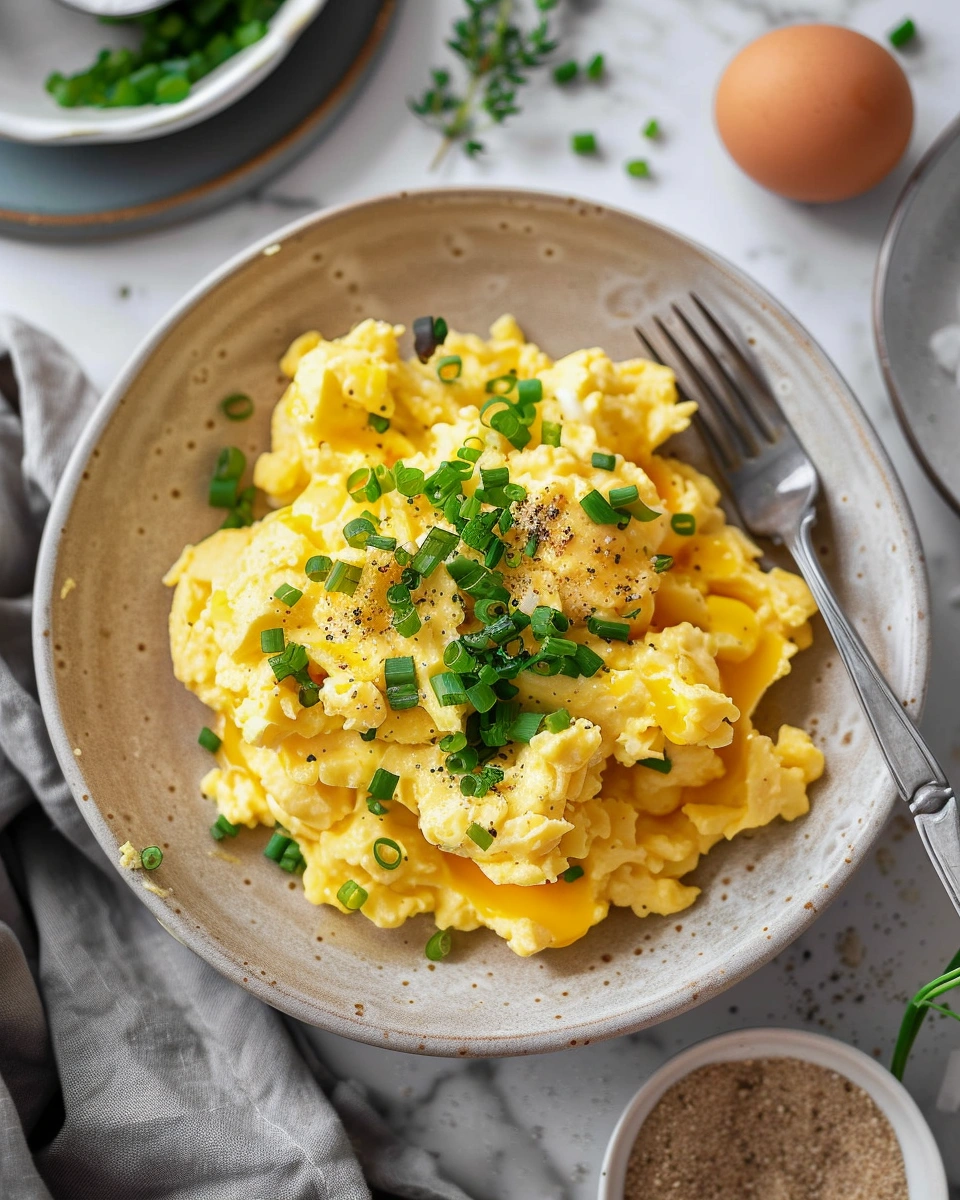
Scrambled eggs seem simple, but they’re one of the most commonly messed-up breakfast foods. Too dry, too rubbery, or bland are frequent complaints. Perfect scrambled eggs should be soft, creamy, and full of flavor—not overcooked or watery. The good news? You don’t need fancy skills or equipment to get them right.
I’ve cooked scrambled eggs more times than I can count, from quick weekday breakfasts to lazy weekend brunches. In this guide, I’ll show you exactly how to make scrambled eggs that turn out fluffy, tender, and delicious every single time. You’ll learn the right technique, timing, and small tips that make a big difference.
Why You’ll Love This Recipe
-
Soft, creamy texture every time
-
Quick and easy, ready in minutes
-
Made with simple ingredients
-
Perfect for breakfast, brunch, or dinner
-
Easy to customize with add-ins
Ingredients & Prep
Main Ingredients Prep
-
Eggs – Use fresh, large eggs for the best texture and flavor. Crack them into a bowl before cooking.
-
Butter – Adds richness and prevents sticking.
-
Milk or cream (optional) – Just a splash helps make the eggs extra creamy.
Seasonings, Sauces, or Flavor Base
-
Salt – Enhances flavor; add near the end for best texture.
-
Black pepper – Freshly ground is best.
Pantry Staples
-
Cooking oil (optional) – Can be mixed with butter to prevent browning.
-
Cheese (optional) – Cheddar, mozzarella, or feta all work well.
Step-by-Step Cooking Instructions
Pre-Cooking Prep
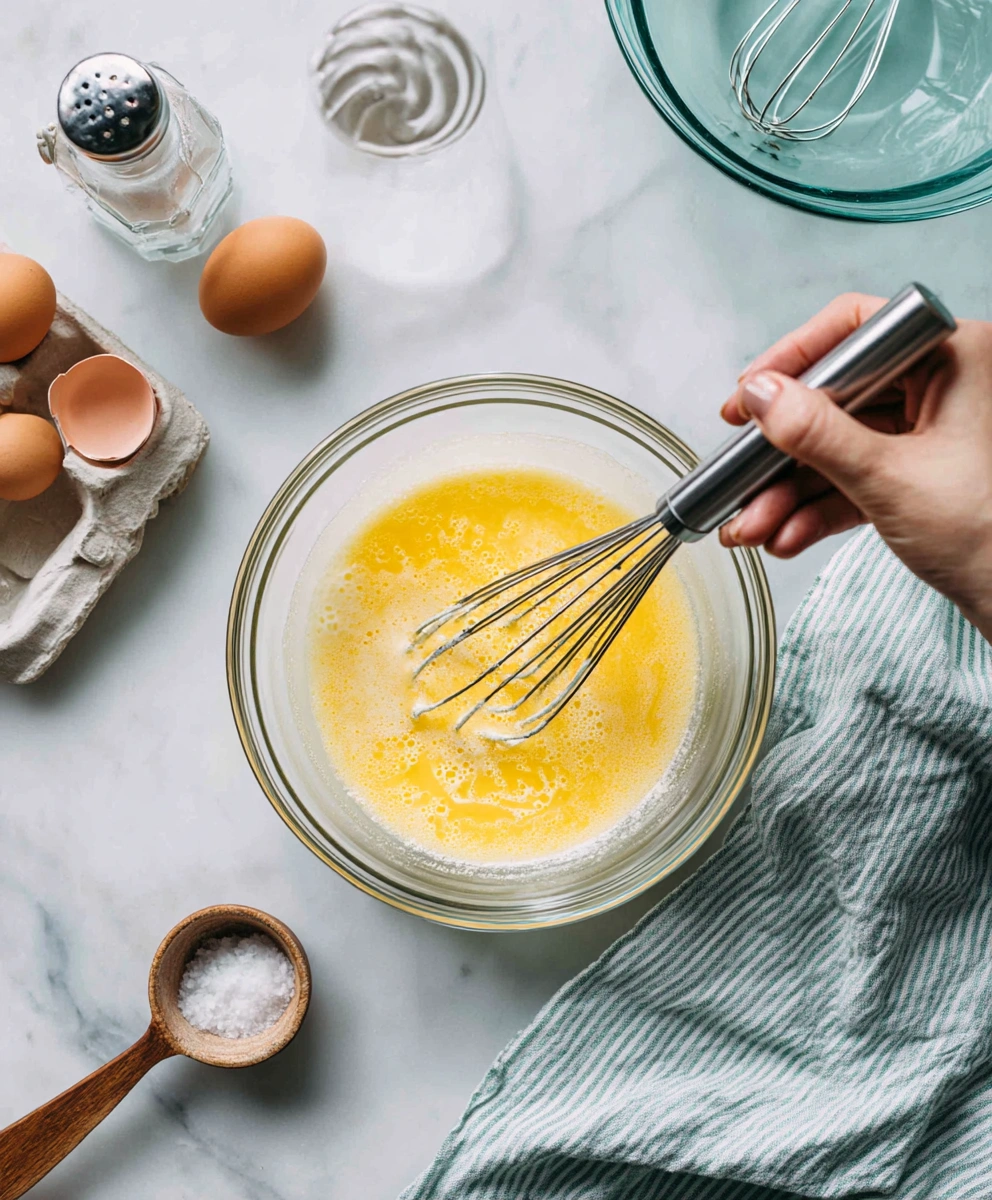
Crack the eggs into a bowl. Whisk until the yolks and whites are fully combined and slightly frothy. If using milk or cream, whisk it in now. Set your skillet on the stove and have a spatula ready.
Cooking Method (Times & Temps)
-
Heat a nonstick skillet over low to medium-low heat.
-
Add butter and let it melt gently without browning.
-
Pour in the eggs and let them sit for about 10–15 seconds.
-
Using a spatula, gently push the eggs from the edges toward the center.
-
Continue stirring slowly every few seconds as soft curds form.
-
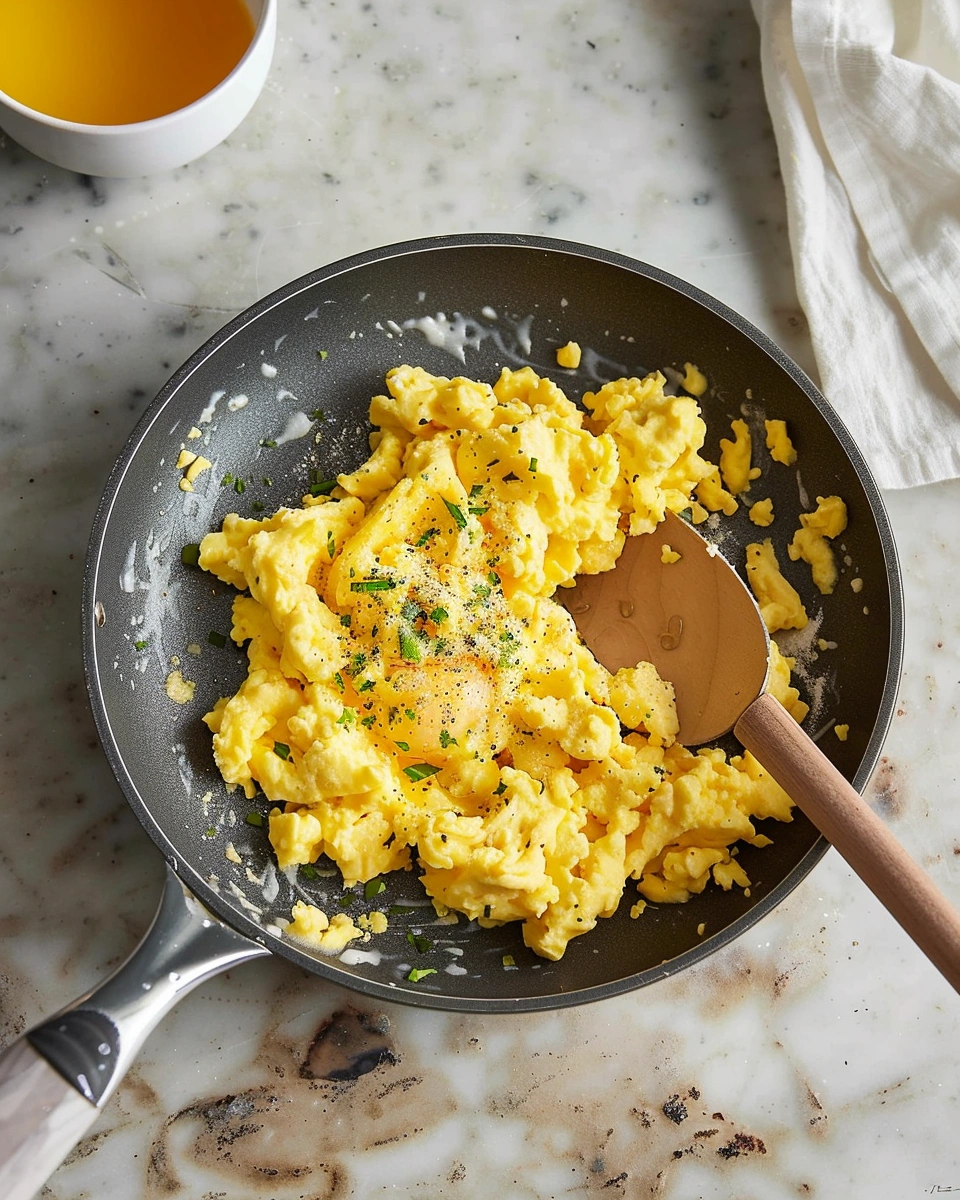
Cook for 3–5 minutes total, depending on how creamy you like them.
Doneness or Texture Check
Scrambled eggs are done when they look slightly undercooked and glossy. They will continue cooking from residual heat even after you remove them from the pan.
Resting or Final Touches
Remove the pan from heat. Season with salt and pepper, and add cheese if using. Let the eggs rest for about 30 seconds before serving to finish setting gently.
Pro Tips for Perfect Results
Common Mistakes to Avoid
-
Cooking on high heat – This causes dry, rubbery eggs.
-
Over-stirring – Gentle movement creates soft curds.
-
Overcooking – Pull eggs off the heat early.
Recommended Tools
-
Nonstick skillet
-
Silicone or rubber spatula
-
Mixing bowl and whisk
Storage & Reheating Tips
-
Scrambled eggs are best fresh but can be stored for up to 1 day in the fridge.
-
Reheat gently in a skillet over low heat or in short microwave bursts.
-
Add a splash of milk when reheating to restore moisture.
Flavor Variations
Spicy Version
Add a pinch of chili flakes, hot sauce, or diced jalapeños while cooking.
Healthy / Special Diet Option
Use olive oil instead of butter and skip cheese for a lighter version. Scrambled eggs are naturally gluten-free and low-carb.
Global Flavor Twist
Add herbs like chives or dill, or stir in a little salsa or pesto for a bold flavor change.
Serving Suggestions
-
Toast, English muffins, or bagels
-
Fresh fruit or berries
-
Breakfast potatoes or hash browns
-
Avocado slices or guacamole
FAQs
Can I make this ahead of time?
Scrambled eggs are best eaten right away, but they can be made a few hours ahead and reheated gently if needed.
How do I fix common mistakes?
If eggs are too dry, stir in a little butter or milk off the heat. If they’re undercooked, return them to low heat for 30–60 seconds.
Conclusion
Scrambled eggs may be simple, but when done right, they’re incredibly satisfying. With low heat, gentle stirring, and the right timing, you’ll get soft, creamy eggs every time. This is a go-to recipe you’ll use again and again, whether for a quick breakfast or a comforting meal any time of day. Once you master this, try adding vegetables, cheese, or herbs to make it your own.
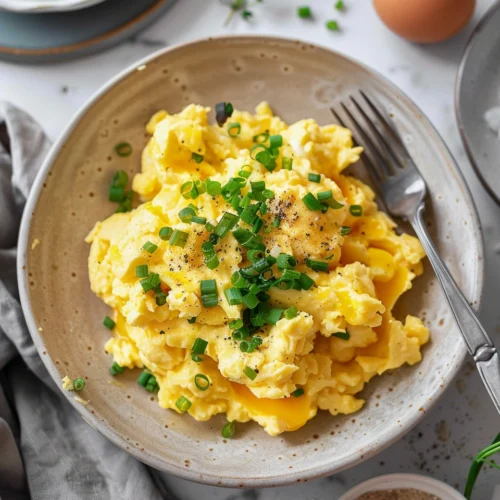
Scrambled Eggs
JuliaIngredients
- 4 large eggs
- 1 tablespoon butter
- 1 –2 tablespoons milk or cream optional
- Salt to taste
- Freshly ground black pepper to taste
- Cooking oil optional, for mixing with butter
- Shredded cheese optional – cheddar, mozzarella, or feta
Instructions
- Crack eggs into a bowl and whisk until fully combined and slightly frothy.
- Whisk in milk or cream if using.
- Heat a nonstick skillet over low to medium-low heat.
- Add butter and let it melt gently without browning.
- Pour in the eggs and let them sit for 10–15 seconds.
- Using a spatula, gently push eggs from the edges toward the center.
- Stir slowly every few seconds as soft curds form.
- Cook for 3–5 minutes, until eggs are glossy and slightly underdone.
- Remove from heat, season with salt and pepper, and add cheese if using.
- Rest for 30 seconds, then serve immediately.
Notes
- Eggs continue cooking after leaving the pan—remove them early.
- Salt at the end helps keep eggs tender and moist.
- For extra creaminess, finish with a small pat of butter off heat.