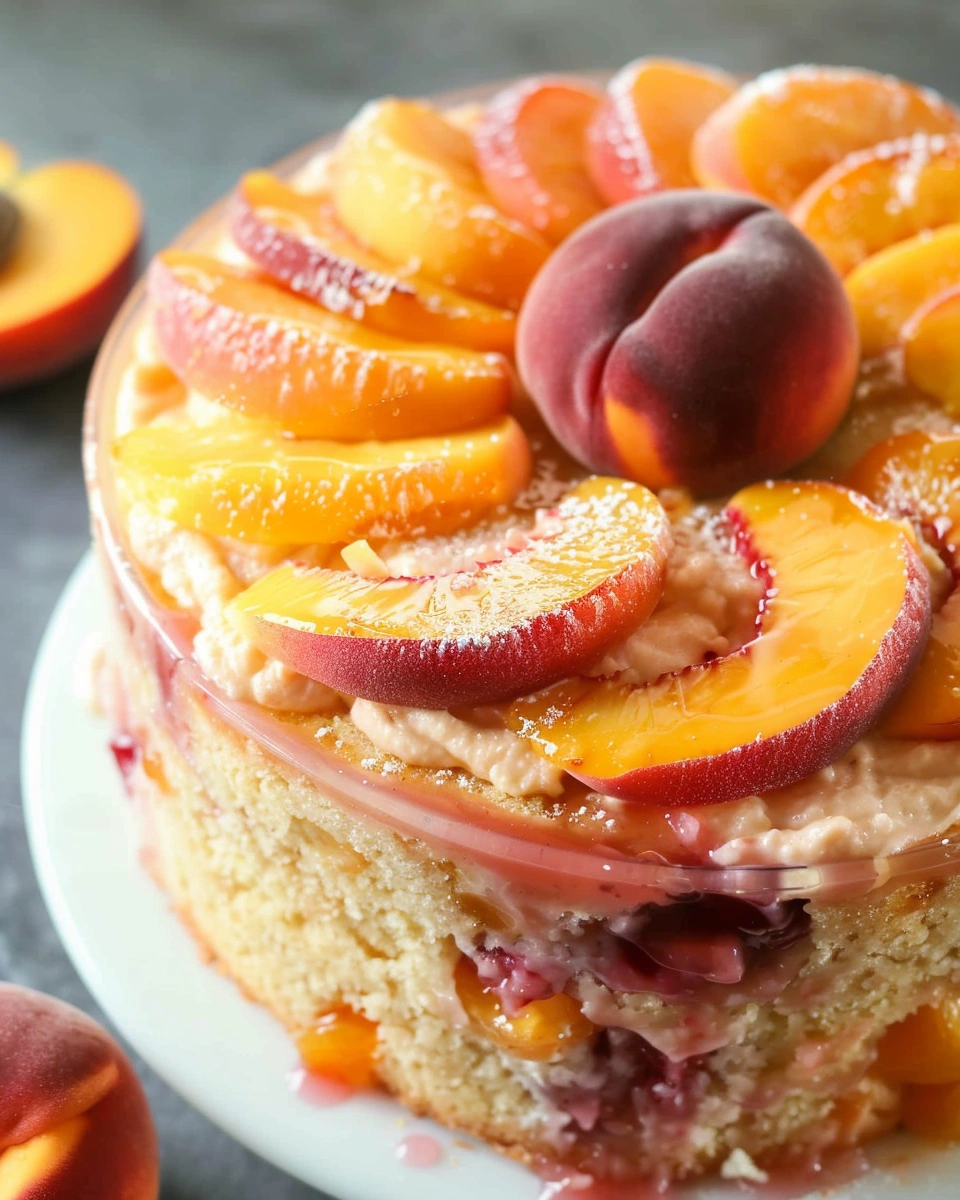
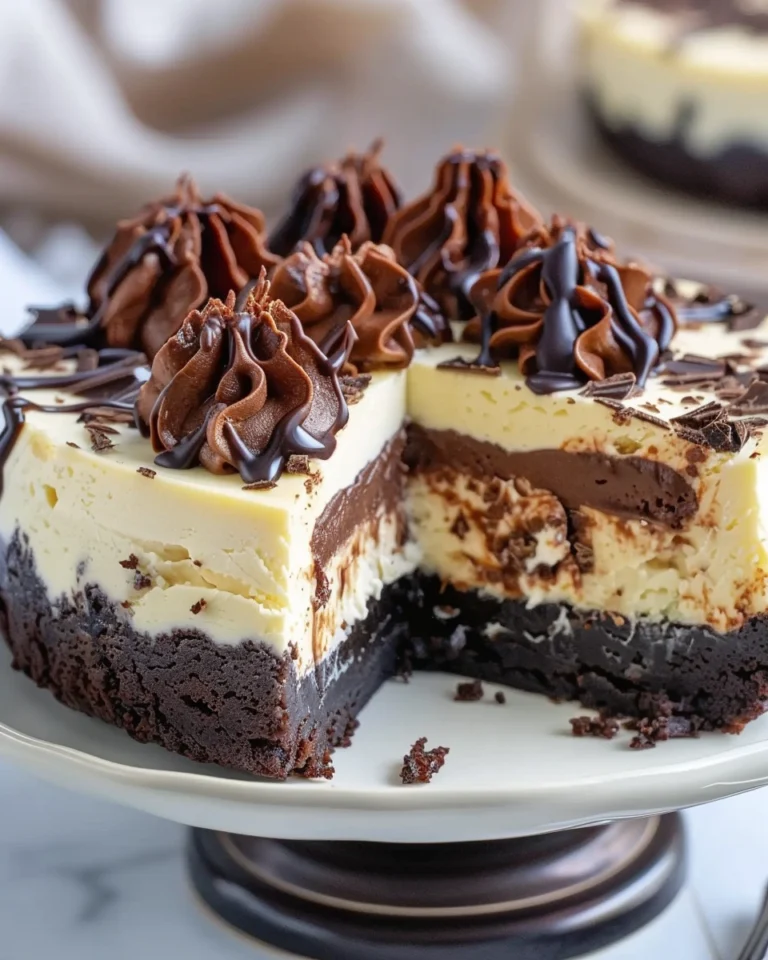
If you’ve ever started baking a cake or tart only to realize your fruit filling needs more flavor and texture, Sautéed Peach Cake or Tart Filling is the perfect solution. Fresh peaches are delicious on their own, but gently sautéing them with sugar and warm spices transforms them into a rich, glossy filling that works beautifully in baked desserts.
The magic of sautéed peach cake or tart filling is how quickly it comes together. In just a few minutes on the stovetop, peaches soften, release their natural juices, and develop a lightly caramelized flavor. The result is a thick, aromatic filling that’s ideal for cakes, tarts, pastries, and even pancakes.
As a recipe blogger who often bakes seasonal fruit desserts, I’ve used this sautéed peach filling in everything from layer cakes to rustic galettes. It’s reliable, easy, and instantly elevates any dessert.
In this guide, you’ll learn how to make the perfect sautéed peach cake or tart filling, including ingredient preparation, step-by-step cooking instructions, pro tips, flavor variations, and serving ideas.
Why You’ll Love This Recipe
-
Rich Peach Flavor
Sautéing intensifies the sweetness and natural flavor of the peaches.
-
Quick to Prepare
The filling comes together in about 10–12 minutes.
-
Perfect for Many Desserts
Works in cakes, tarts, pies, pastries, or crepes.
-
Great Way to Use Ripe Peaches
Ideal when you have extra peaches during peak season.
-
Make-Ahead Friendly
The filling stores well and can be prepared ahead of baking.
Ingredients & Prep
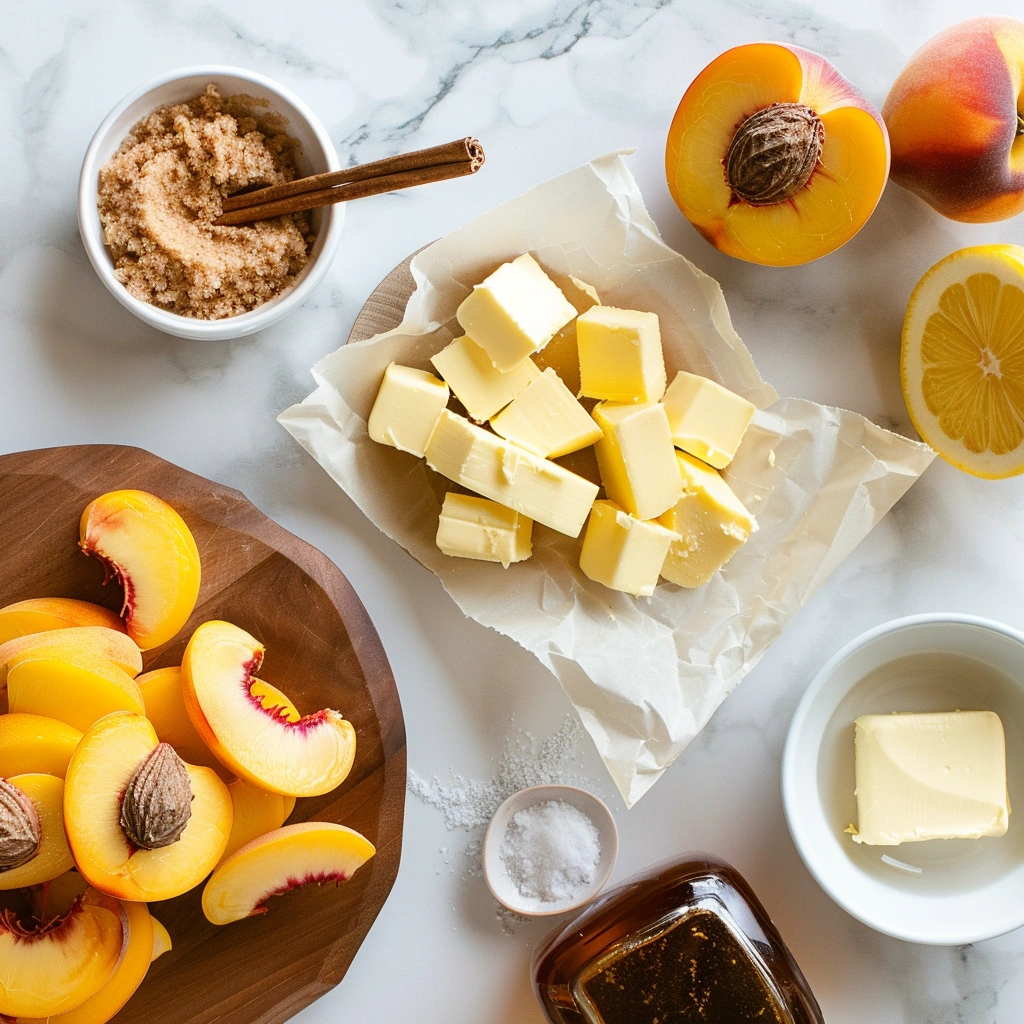
Main Ingredients Prep
These ingredients create the base of the sautéed peach cake or tart filling.
Choose peaches that are ripe but still slightly firm so they keep their shape during cooking.
Seasonings, Sauces, or Flavor Base
These ingredients enhance the natural sweetness of the peaches.
-
¼ cup brown sugar
-
1 teaspoon vanilla extract
-
½ teaspoon ground cinnamon
-
¼ teaspoon ground nutmeg (optional)
These warm spices give the filling a cozy bakery-style flavor.
Pantry Staples
A few simple pantry ingredients help thicken the filling.
Step-by-Step Cooking Instructions
Pre-Cooking Prep
-
Wash the peaches thoroughly.
-
Peel them if desired, though the skins can stay on for a more rustic filling.
-
Slice the peaches into thin wedges.
Prepare a small cornstarch slurry by mixing cornstarch with water in a bowl.
Cooking Method
-
Heat butter in a large skillet over medium heat.
-
Add the sliced peaches and cook for 3–4 minutes.
-
Stir in the brown sugar, cinnamon, nutmeg, and salt.
-
Continue cooking until the peaches begin releasing their juices.
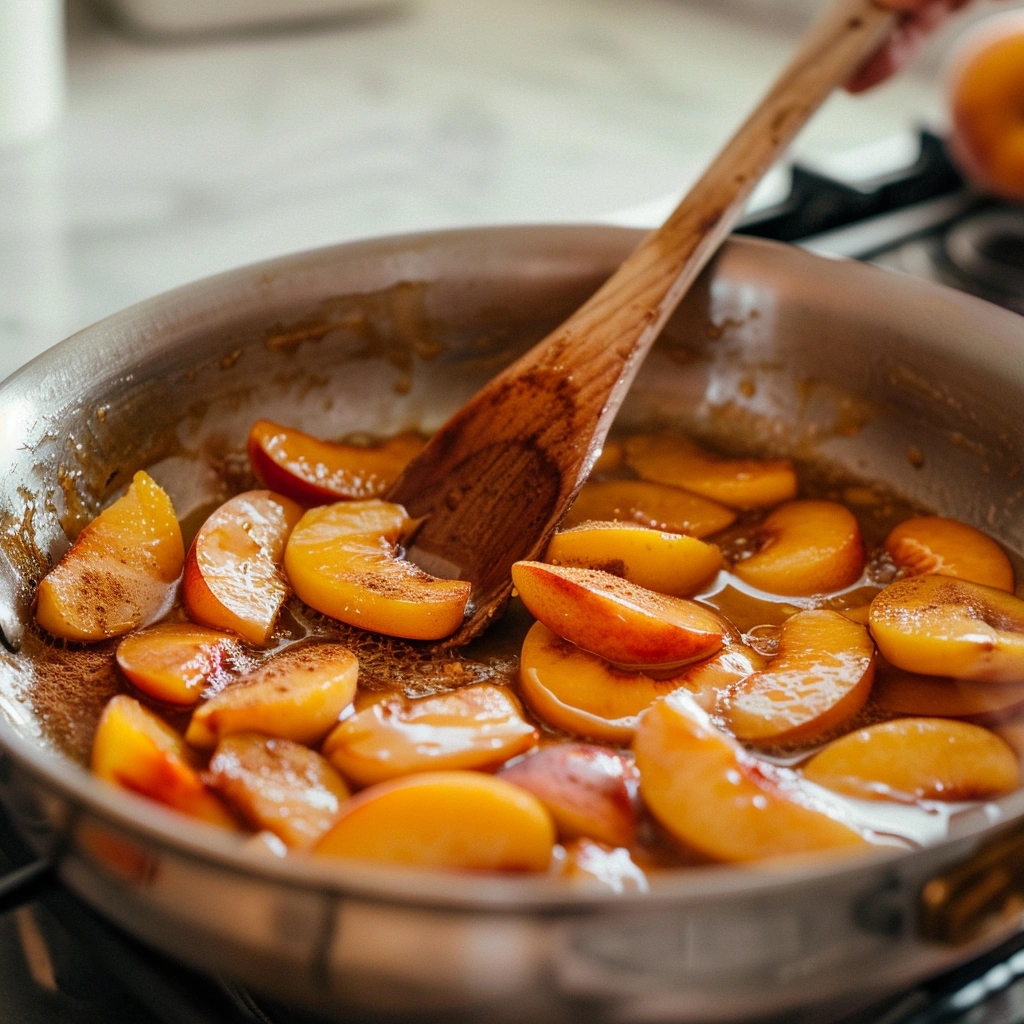
Once the mixture becomes syrupy, stir in the cornstarch slurry.
Cook for another 1–2 minutes until the sauce thickens into a glossy filling.
Finally, stir in vanilla extract and a small splash of lemon juice if using.
Doneness or Texture Check
Your sautéed peach cake or tart filling is ready when:
-
The peaches are soft but still hold their shape
-
The syrup has thickened into a smooth, glossy sauce
-
The mixture coats the spoon easily
Avoid overcooking, which can make the peaches too mushy.
Resting or Final Touches
Allow the filling to cool for 10–15 minutes before using it in cakes or tarts.
Cooling helps the filling thicken further and prevents it from soaking into the crust or cake layers too quickly.
Optional finishing touches include:
-
Extra vanilla
-
A sprinkle of cinnamon
-
Fresh lemon zest
Pro Tips for Perfect Results
Common Mistakes to Avoid
Using overly soft peaches
Very soft fruit can break apart during sautéing.
Skipping the thickener
Cornstarch helps the filling hold together inside baked desserts.
Cooking at too high heat
Medium heat keeps the peaches tender without burning the sugar.
Recommended Tools
These tools make preparing the filling easier:
-
Large skillet or sauté pan
-
Wooden spoon or silicone spatula
-
Sharp knife
-
Small mixing bowl for slurry
A wide skillet helps the peaches cook evenly.
Storage & Reheating Tips
Leftover sautéed peach cake or tart filling stores well.
-
Refrigerate in an airtight container for up to 4 days.
-
Reheat gently in a saucepan over low heat.
-
Add a splash of water if the mixture thickens too much.
You can also freeze the filling for up to 2 months.
Flavor Variations
Spicy Version
For a warm spice twist, add:
-
A pinch of ground ginger
-
A dash of cardamom
-
A tiny pinch of clove
These spices pair beautifully with peaches.
Healthy / Special Diet Option
To make a lighter version of sautéed peach cake or tart filling, try:
These swaps create a more natural sweetener profile.
Global Flavor Twist
Try a unique flavor combination with these ideas.
French-Inspired
Tropical Twist
Serving Suggestions
This versatile filling can be used in many desserts.
Dessert Ideas
Use sautéed peach cake or tart filling for:
-
Layer cakes
-
Fruit tarts
-
Galettes
-
Hand pies
-
Puff pastry desserts
Toppings and Pairings
It also tastes great served with:
-
Vanilla ice cream
-
Pancakes or waffles
-
Cheesecake
-
Yogurt parfaits
Warm peach filling over ice cream is especially delicious.
FAQs
Can I make this ahead of time?
Yes. Sautéed peach cake or tart filling can be made up to 3 days in advance and stored in the refrigerator until ready to use.
Simply reheat it gently before adding to your dessert.
How do I fix common mistakes?
Filling too watery:
Cook for another minute or add a small amount of cornstarch slurry.
Peaches too soft:
Use slightly firmer peaches next time and cook for less time.
Flavor too mild:
Add extra cinnamon or a splash of lemon juice to brighten the flavor.
Conclusion
Sautéed Peach Cake or Tart Filling is a simple yet incredibly useful recipe for anyone who loves baking with fresh fruit. The quick sauté method brings out the natural sweetness of peaches while creating a thick, flavorful filling that works in many desserts.
Once you try this recipe, you’ll likely use it again and again during peach season. Many bakers love it because it’s fast, reliable, and makes cakes and tarts taste even better.
If you enjoyed this recipe, you might also want to try a Classic Peach Cobbler Filling or Caramelized Apple Pie Filling for another delicious fruit dessert.