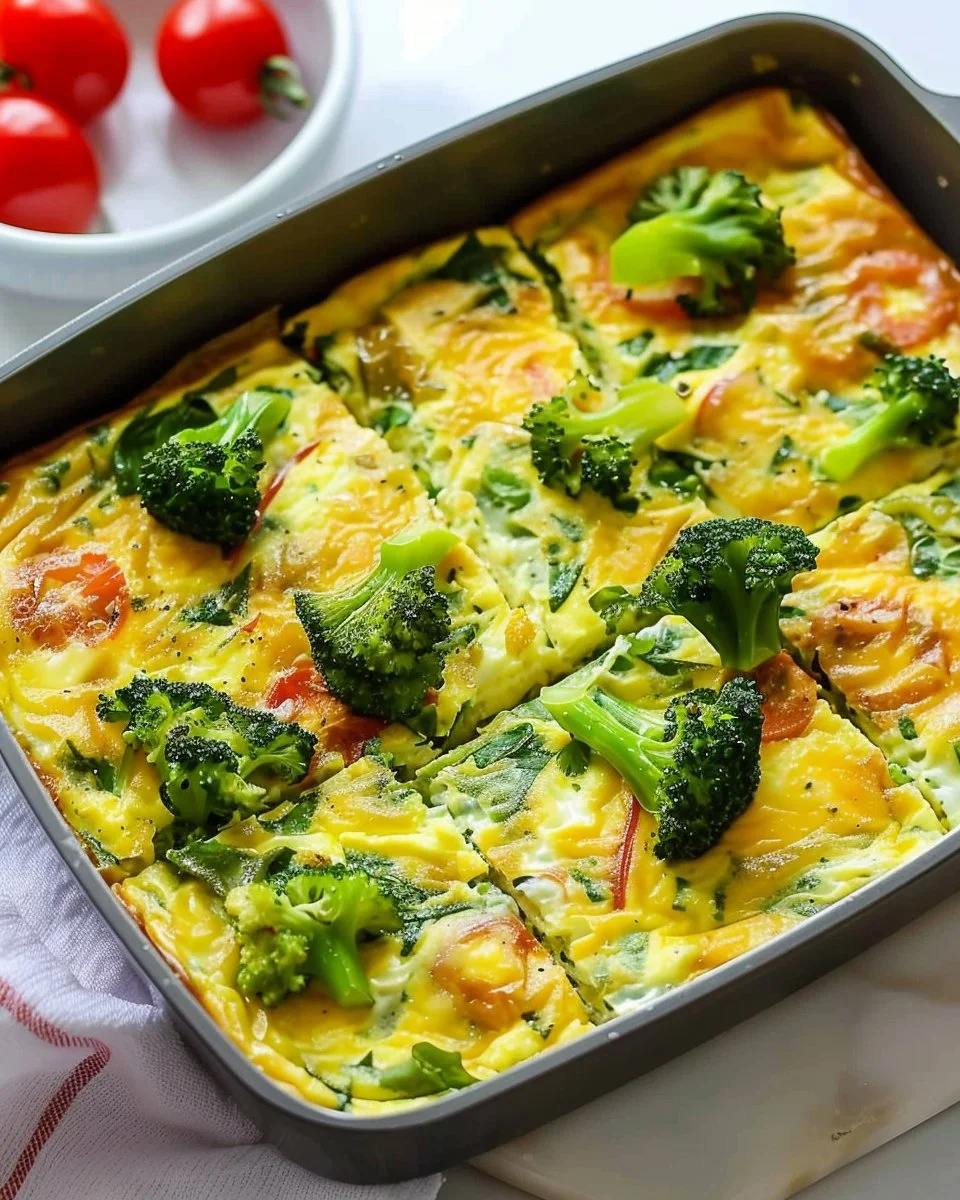
As parents, ensuring our little ones get the right nutrition during their formative years is a top priority. You want meals that not only nourish but also introduce flavors and textures to develop their budding palates. Enter the healthy frittata for baby—an incredibly versatile dish that is as delightful to make as it is to eat! Packed with nutrients and bursting with flavor, this dish opens the door to endless possibilities in your kitchen while also being a fantastic way to sneak in some veggies.
Whether your baby is ready to explore solid foods or you’re looking for creative breakfast options, a healthy frittata is a solution worth savoring. Let’s explore what makes this dish so beneficial and how you can whip one up for your little one!
Why Frittatas Are a Game-Changer for Babies
One of the most appealing aspects of frittatas is their simplicity combined with nutritional richness. They are eggs at their finest, mixed with your choice of veggies and proteins, making them a wonderful canvas for creativity. Here’s why frittatas are particularly beneficial for your baby:
- Soft Texture: Perfect for little mouths, frittatas can be cooked to a soft consistency, making them easy to chew and swallow.
- Nutritional Powerhouse: Eggs are a fantastic source of protein, healthy fats, vitamins, and minerals crucial for growth and development.
- Vegetable Variety: You can incorporate a rainbow of vegetables, enhancing not only the color and appeal but also the nutrient profile.
- Customizable: Each frittata can be different, allowing you to adjust to your baby’s preferences or dietary needs.
Ingredients You’ll Need to Create a Healthy Frittata for Baby
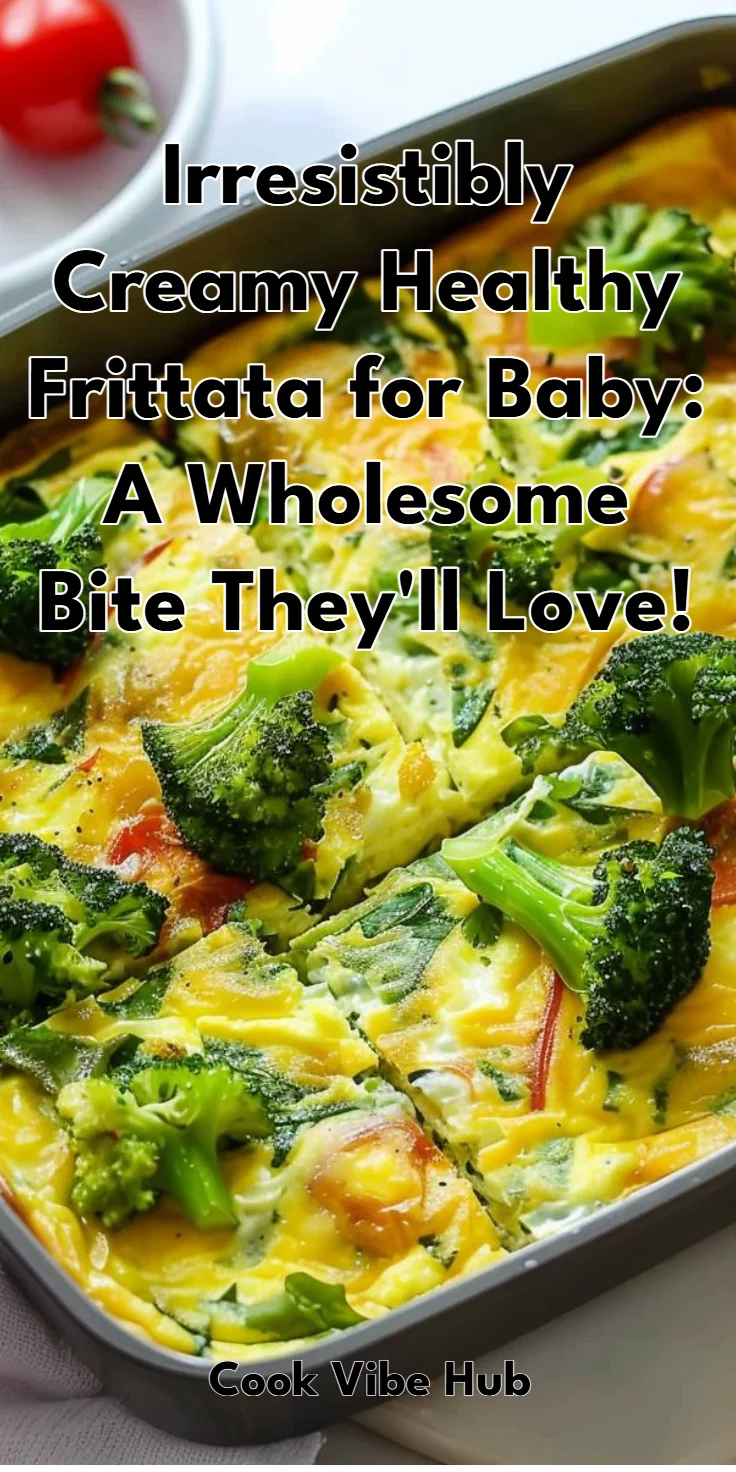
Creating a healthy frittata for baby doesn’t require an elaborate setup, just a few fresh ingredients. Here’s what you’ll need:
- Eggs: 4-6 large eggs (consider organic for better quality)
- Milk: 1/4 cup of whole milk or breast milk for added creaminess
- Vegetables: Choose a mix of soft-cooked veggies such as spinach, zucchini, bell peppers, or sweet potatoes
- Cheese: Optional, a small amount of shredded cheese (like cheddar or mozzarella) to boost flavor
- Herbs: Fresh herbs like parsley or basil for added nutrition and a hint of flavor
- Olive Oil or Butter: For greasing the pan
Step-by-Step Guide to Making the Perfect Frittata
Making a healthy frittata for baby is straightforward. Here’s a simple method to follow:
- Preheat the Oven: Start by preheating your oven to 350°F (175°C).
- Mix the Ingredients: In a mixing bowl, whisk together the eggs and milk until well combined. Fold in the sautéed or soft-cooked vegetables, cheese, and herbs.
- Prepare Your Baking Dish: Lightly grease a baking dish (8×8 or similar) with olive oil or butter to ensure the frittata doesn’t stick.
- Pour and Bake: Pour the egg mixture into the prepared baking dish and spread it evenly. Bake for 20-25 minutes or until the frittata is set in the middle and lightly golden on top.
- Cool and Serve: Let the frittata cool for a few minutes, then cut it into small, baby-friendly pieces. Serve warm!
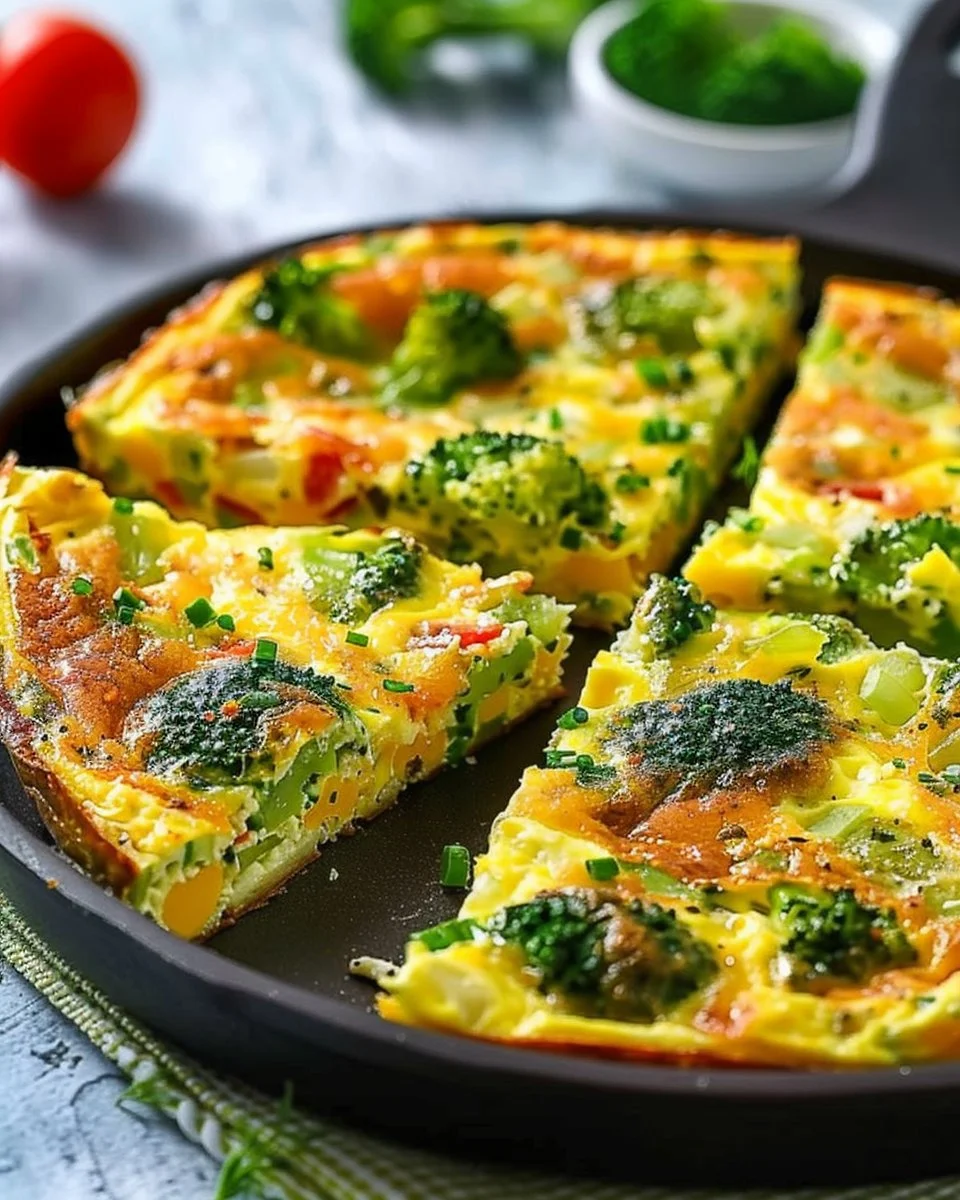
Expert Tips for a Delicious Frittata
To ensure you and your baby enjoy the frittata to the fullest, consider these pro tips:
- Texture Matters: When incorporating veggies, make sure they’re soft-cooked to avoid any choking hazards.
- Flavor Variations: Experiment with different cheeses or use pureed vegetables for added creaminess.
- Serving Size: Keep the pieces small to suit your baby’s chewing capabilities and avoid overwhelming them.
- Add Protein: For older babies, consider adding diced cooked chicken or turkey for an extra protein kick.
Exploring Frittata Variations
The beauty of a frittata lies in its versatility. Here are a few fun ideas for variations:
- Sweet Potato & Spinach Frittata: Sweet potatoes provide a sweet taste while spinach packs in the nutrients.
- Broccoli & Cheddar Frittata: Broccoli adds texture and flavor, while cheddar gives that satisfying cheesy goodness all babies love.
- Herb-Infused Frittata: Add dried herbs like oregano or thyme for an aromatic twist that delights the senses.
Common Mistakes to Avoid
While making a healthy frittata for baby seems easy, there are a few pitfalls to watch out for:
- Overcooking: Keep a close eye on your frittata; overbaking can lead to a rubbery texture.
- Wrong Veggie Choices: Avoid using raw or crunchy vegetables that can pose a choking hazard.
- Too Much Cheese: While a sprinkle of cheese enhances flavor, too much can overpower the dish and be hard for babies to digest.
Serving Suggestions for Your Frittata
Your frittata can be served in various ways to keep things exciting:
- With Avocado: A few slices of ripe avocado on the side provide healthy fats and creaminess.
- Pureed Fruit: Serve with a side of pureed apples or pears for a touch of sweetness.
- Mini Frittata Muffins: Pour the mixture into muffin tins for fun, portable servings that fits snugly in little hands.
Storing and Reheating Leftover Frittata
If you happen to have leftovers (though that’s rare with such a tasty dish!), here’s how to store them properly:
- Cooling: Allow the frittata to cool completely before storing.
- Storage: Place leftovers in an airtight container in the refrigerator for up to 3 days.
- Reheating: Gently reheat slices in the oven or microwave until warmed through. Avoid overcooking to maintain texture.
Health and Safety Notes
When introducing new foods to your baby, always observe for allergies. It’s best to introduce one ingredient at a time. Also, stick to fresh, organic ingredients when possible, particularly for baby food.
Frequently Asked Questions
What is a healthy frittata for baby?
A healthy frittata for baby is an egg-based dish that includes a mix of soft, cooked vegetables and optional cheese, designed to provide a warm and nutritional meal for growing babies.
Can I freeze frittatas for later?
Yes! You can freeze frittata slices in an airtight container for up to 2 months. Just take them out and reheat before serving.
How do I know if my baby enjoys frittata?
Watch for their reactions as they taste it. If they seem excited and reach for more, you’ve likely hit a winning dish!
What vegetables are best for a baby frittata?
Soft-cooked vegetables like spinach, zucchini, broccoli, and sweet potatoes are excellent choices for a baby frittata.
Is frittata good for picky eaters?
Definitely! The versatility of a frittata allows you to hide various veggies and flavors, making it an appealing option for picky eaters.
Final Thoughts
Crafting a healthy frittata for your baby is not just a cooking task; it’s an opportunity to explore flavors, textures, and nutrition in a delightful way. With its ease of preparation and customizable nature, this dish encourages your little one to embrace a wide variety of fresh foods. Remember, the goal is to make mealtime a joyful experience for you and your baby. So roll up your sleeves, get creative in the kitchen, and enjoy the rewarding journey of introducing your child to healthy eating!
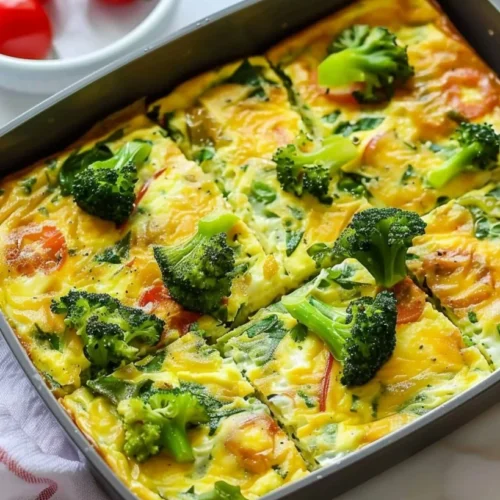
Healthy Frittata for Baby
Ingredients
Main Ingredients
- 4-6 large Eggs Consider organic for better quality
- 1/4 cup Whole milk or breast milk For added creaminess
- 1-2 cup Soft-cooked vegetables (e.g., spinach, zucchini, bell peppers, sweet potatoes) Choose a mix of soft-cooked veggies
- 1/4 cup Shredded cheese (optional) Like cheddar or mozzarella to boost flavor
- 1-2 tablespoon Fresh herbs (e.g., parsley, basil) For added nutrition and flavor
- 1 tablespoon Olive oil or butter For greasing the pan
Instructions
Preparation
- Preheat your oven to 350°F (175°C).
- In a mixing bowl, whisk together the eggs and milk until well combined.
- Fold in the sautéed or soft-cooked vegetables, cheese, and herbs.
- Lightly grease a baking dish (8x8 or similar) with olive oil or butter.
Cooking
- Pour the egg mixture into the prepared baking dish and spread it evenly.
- Bake for 20-25 minutes or until the frittata is set in the middle and lightly golden on top.
- Let the frittata cool for a few minutes, then cut it into small, baby-friendly pieces.
- Serve warm!